If your roof is leaking: stay off the roof, catch the water with buckets and towels, move valuables, switch off electrics near the leak, take photos for your insurer, and call an emergency roofer. In Darlington, Teesside and County Durham, DG Roofing Services takes emergency calls 7 days a week on 07568 547631.
1. Stay safe — don't go on the roof
A wet or windy roof is one of the most dangerous places you can be. However tempting it is to "have a look", leave the roof to a professional with the right access equipment.
2. Contain the water inside
- Put buckets, bowls or a bin under drips — add a towel inside to stop splashing.
- Move furniture, electronics and anything valuable out of the way.
- Lay towels or old sheets on the floor around the drip.
- Check the loft (if safe) — a bucket under the leak point can stop water reaching the ceiling.
3. Watch for a bulging ceiling
If a ceiling is sagging or bulging with water, keep everyone out of the room. A plasterboard ceiling holding water can come down suddenly. Never stand underneath it.
4. Make electrics safe
If water is near light fittings, sockets or switches, turn off the power to that circuit at the consumer unit. If in doubt, contact an electrician.
5. Record everything for your insurer
- Photograph the damage inside — stains, drips, damaged belongings.
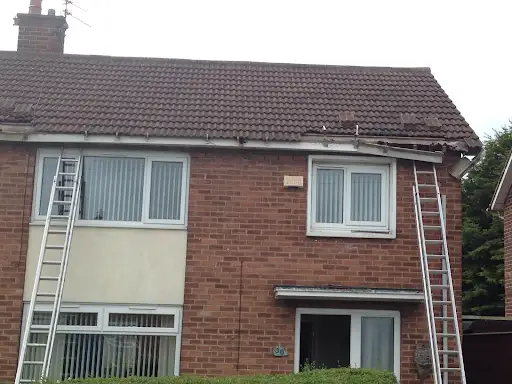
- Photograph any visible damage outside from the ground (fallen tiles, guttering).
- Note the date and time the leak started and the weather at the time.
- Keep receipts for any emergency costs.
6. Call an emergency roofer
A good roofer will make the roof safe first — often with a temporary cover or quick repair — and then explain the real cause and give a fixed price for the permanent fix. DG Roofing Services covers Darlington, Teesside and County Durham, including evenings and weekends.
Common causes of sudden roof leaks
- Slipped, cracked or missing tiles after high winds
- Loose or missing ridge tiles where mortar has failed
- Failed lead flashing around chimneys, walls and roof windows
- Blocked valleys, gutters or outlets overflowing
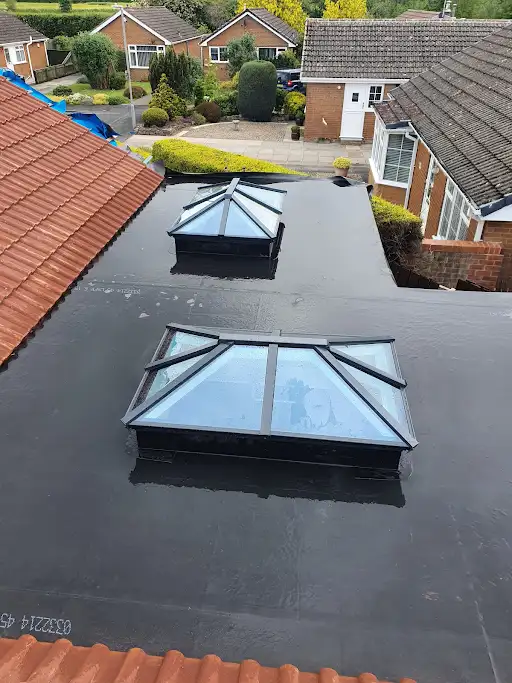
- Splits or failed seams in old felt flat roofs
- Condensation in the loft that looks like a leak
Frequently asked questions
Is a leaking roof an emergency?
An active leak should be dealt with as soon as possible, because water quickly damages ceilings, insulation, timbers and electrics. Call a roofer the same day if you can.
Can a roof be repaired in the rain?
Permanent repairs usually need dry weather, but an experienced roofer can often make the roof safe and temporarily watertight in poor weather.
Will my insurance cover a leaking roof?
Many policies cover sudden storm damage but not wear and tear. Photos and a roofer's report help your insurer assess the cause. Always check your own policy.

Owner of DG Roofing Services, roofing across Darlington and the North East for 30+ years. Rated 10/10 on Checkatrade from 500+ reviews.